

Ford TPMS Sensors, Valve Stems, and Tire Hardware for Bremerton, WA Drivers
Port Orchard Ford – Ford TPMS Sensors, Valve Stems, and Tire Hardware for Bremerton, WA Drivers
Why Tire Hardware Matters More Than Many Drivers Realize
When most drivers think about tire maintenance, tread depth and tire pressure usually come to mind first. Those are important, but the smaller hardware behind proper tire performance deserves attention too. Tire pressure monitoring system sensors, valve stems, valve cores, wheel weights, lug nuts, and related hardware all contribute to safe, predictable driving. For Bremerton, WA drivers commuting through Kitsap County, heading toward the shipyard, crossing bridges, or making regular trips between Silverdale, Port Orchard, and ferry connections, dependable tire components can help prevent slow leaks, warning lights, vibration, and inconvenient roadside issues.
Modern Ford vehicles rely on integrated systems to monitor tire pressure and alert you when something needs attention. A tire pressure warning may come from low air, but it can also be related to a damaged valve stem, an aging TPMS sensor battery, an incorrect sensor, or a wheel service performed without proper reset or relearn procedures. That is why tire hardware is not just a small add-on during tire replacement. It is part of the system that helps your Ford maintain efficiency, traction, braking performance, and ride quality.
At Port Orchard Ford, we help drivers find genuine Ford and compatible tire-related parts for specific Ford models, trims, and wheel sizes. Our team can assist with tires, wheels, TPMS sensors, valve stems, electrical components, brake parts, lighting, filters, and other OEM components. When paired with Ford-trained service support, the right parts can help your vehicle communicate accurately with onboard systems and perform the way Ford intended.
Common Signs Your TPMS or Tire Hardware Needs Attention
A tire pressure light should never be ignored, even if your Ford seems to drive normally. Air loss can happen slowly, and a small leak may not be obvious from a quick glance in a parking lot. Bremerton streets, highway ramps, construction zones, and rough pavement can also expose tire and wheel hardware to impacts that loosen, corrode, or damage small components over time. A professional inspection can help determine whether the issue is low pressure, a puncture, valve stem damage, sensor failure, or another tire-related concern.
- Persistent TPMS light: A warning that returns after inflation may signal a leak, sensor concern, or reset issue.
- Slow air loss: A tire that needs repeated refilling may have a valve stem, bead seal, puncture, or wheel issue.
- Cracked valve stem: Rubber can age, harden, or split, especially after years of heat cycles and road exposure.
- Corroded valve core: Small metal components can seize or leak if exposed to moisture, grime, or incompatible caps.
- Vibration after tire work: Incorrect balancing, missing weights, or wheel hardware concerns can affect ride quality.
- Incorrect sensor reading: A sensor may need programming, replacement, or model-specific relearn procedures.
The key is to diagnose the cause instead of only resetting the light. A quick reset without correcting the underlying issue can lead to repeat warnings and continued air loss. If you recently installed tires elsewhere and now have a warning message, a Ford parts and service team can help confirm whether the correct sensors were used and whether the system has been properly calibrated for your vehicle.
OEM Fitment Helps Protect Ford Tire System Accuracy
TPMS sensors and tire hardware are vehicle-specific. Even within the Ford lineup, requirements can vary between F-150, Ranger, Maverick, Explorer, Bronco Sport, Bronco, Expedition, Mustang, Mustang Mach-E, and Super Duty models. Wheel size, build year, trim package, sensor frequency, and system design can all affect part selection. Choosing the wrong sensor may cause communication errors, delayed readings, or a warning light that will not clear. Choosing the wrong valve stem or hardware can also create air leaks or installation complications.
Genuine Ford and Motorcraft components are designed to meet Ford specifications for fit and function. That matters for drivers who depend on tire pressure accuracy during daily travel, towing, hauling, family driving, or long highway trips. A properly functioning TPMS does not replace manual tire pressure checks, but it provides an important alert system when pressure drops outside the expected range. It can also help you catch problems early, before a tire becomes underinflated enough to affect handling or wear.
There is also a service advantage to choosing a Ford parts department. Our team can review your VIN, confirm the correct part family, and coordinate installation if needed. That reduces trial and error and helps avoid ordering parts that look similar but do not communicate properly with your vehicle. For drivers searching for tire parts near Poulsbo, WA, or around Bremerton, that local fitment support can be more useful than guessing from a generic online listing.
When to Replace Tire Hardware During Tire Service
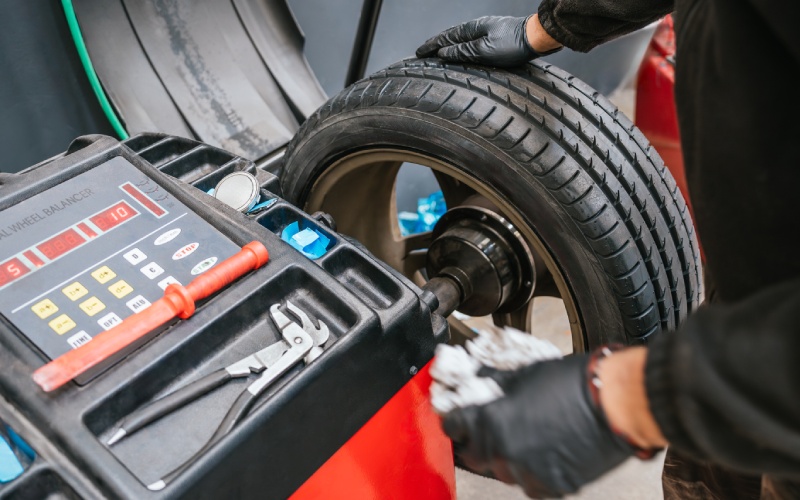
Some tire hardware should be inspected whenever tires are rotated, balanced, repaired, or replaced. Valve stems, caps, and cores are small, but small leaks can become major inconveniences. If a tire is already removed from the wheel, it can be an ideal time to check the condition of the valve hardware and sensor. A technician can inspect for corrosion, cracking, leakage, physical damage, or signs that a previous repair used nonmatching components.
- During new tire installation: Ask whether valve stems, seals, caps, TPMS service kits, and balance weights should be inspected or replaced.
- After a pressure warning: Have the tire and valve area checked before assuming the sensor is the only problem.
- After wheel impact: A pothole or curb strike can affect tires, wheels, alignment, balance, and valve hardware.
- Before longer drives: Tire pressure, spare tire condition, lug nut condition, and valve caps are worth checking before extended travel.
- When changing wheel sets: A second wheel package may require compatible sensors and proper programming.
This is especially useful for truck and SUV owners who tow, haul, or travel with passengers and gear. Underinflation can increase tire heat, reduce efficiency, and accelerate uneven wear. Overinflation can affect ride comfort and tire contact with the road. Correct hardware supports correct inflation, and correct inflation supports the tire’s ability to do its job.
How Local Driving Around Bremerton Affects Tire Components
Bremerton-area driving can be a mix of city streets, hills, bridge approaches, waterfront roads, military traffic, jobsite access, and highway connections. That variety places steady demand on tires and related hardware. Stop-and-go routes can increase braking and tire heat. Rough pavement can affect balance and alignment. Frequent short trips can make it easier to miss slow air loss until the TPMS light appears. Drivers with trucks and SUVs may also add towing or cargo loads, which makes accurate pressure even more important.
Electric and hybrid Ford models also benefit from correct tire hardware. EVs and hybrids can have unique tire requirements, torque delivery, and efficiency considerations. If a Mustang Mach-E or hybrid Ford model uses a specific tire setup, correct sensors and compatible hardware help maintain system accuracy. For gas, diesel, hybrid, and electric Ford vehicles, the basic goal is the same: help the tire, wheel, and monitoring system work together without guesswork.
Local support is helpful because a parts specialist can ask the right questions. What Ford model do you drive? What tire size is on the vehicle? Are the wheels factory or accessory wheels? Did the warning appear after a tire repair, tire rotation, or wheel change? Has one tire been losing air faster than the others? These details help narrow the cause and point toward the right part or service.
Frequently Asked Questions:
Can I drive with the TPMS light on?
You should check tire pressure as soon as safely possible. If pressure is low, inflate to the recommended level listed on the driver-side doorjamb placard. If the light stays on or returns, schedule an inspection.
Do TPMS sensors need to be replaced with every tire change?
Not always. Sensors should be inspected, and service kits may be recommended depending on condition, age, and design. A technician can help determine what your Ford needs.
Why does my TPMS light come back after adding air?
Possible causes include a slow leak, damaged valve stem, sensor concern, puncture, wheel issue, or system relearn requirement. A proper inspection can identify the source.
Are all TPMS sensors the same?
No. Sensors vary by vehicle, frequency, programming, and wheel configuration. Matching the correct sensor to your Ford is important for accurate communication.
Get Help Finding the Right Ford Tire Hardware
If your Ford has a tire pressure warning, slow leak, missing valve cap, damaged valve stem, or sensor concern, our parts and service teams can help you choose the right next step. We can identify Ford-compatible components, review fitment using your vehicle details, and assist with installation when needed. From TPMS sensors and valve hardware to tires, wheels, brakes, batteries, filters, wiper blades, lighting, and accessories, our team supports Ford ownership with practical local expertise. Contact our parts department or schedule service today so your Ford can stay ready for Bremerton roads, Kitsap County commutes, and the miles ahead.

0 comment(s) so far on Ford TPMS Sensors, Valve Stems, and Tire Hardware for Bremerton, WA Drivers