

Is the 2026 Ford F-150 or 2026 Chevrolet Silverado 1500 the better towing pick for families around Bremerton, WA?
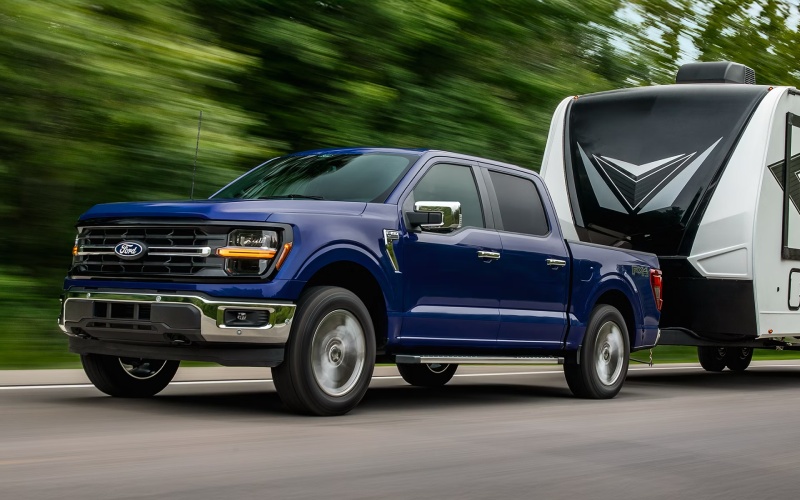
Port Orchard Ford – Is the 2026 Ford F-150 or 2026 Chevrolet Silverado 1500 the better towing pick for families around Bremerton, WA?
It depends on your trailer — but Ford holds the max-tow edge
If you’re trying to sort out whether the Ford or Chevy is the better towing partner around Bremerton, WA marinas, campgrounds, and weekend trailheads, the first thing to do is look at your trailer’s real-world weight. Ford reaches a best-in-class 13,500-lb available tow rating when properly configured, while Chevrolet tops out at 13,300 lbs. That 200-lb difference is small, but it can be the difference between leaving gear behind and bringing everything you need. More importantly, the F-150 complements that top-end rating with up to 2,440 lbs of payload — helpful when you’re packing a bed full of coolers, tools, and hitch weight. Chevy is no slouch, and it offers a well-rounded approach with multiple strong engines, including an efficient 3.0L Duramax turbo-diesel with 495 lb-ft of torque and an available 13,300-lb tow figure.
Beyond the numbers, think about the trip itself. Bremerton to Hood Canal or across SR-16 involves grades, crosswinds, and changing weather. The F-150’s available 360-degree camera tech, coherent instrument displays, and available BlueCruise hands-free highway driving on compatible routes help reduce fatigue on longer stretches. Silverado answers with its own sophisticated towing cameras and available Super Cruise — and it can keep the hands-free experience active even when you’re towing, a clear advantage for highway hauls. For many families who tow a boat, small camper, or utility trailer, the F-150’s higher max ratings plus its hybrid-powered bed utility make it a smart, flexible pick — especially if your towing routine also includes lots of non-towing days.
Engines and torque: Choosing the right power for your load
Both trucks offer a menu that can fit most towing profiles. On Ford’s side, the 3.5L EcoBoost V6 is the towing champ, delivering that 13,500-lb figure along with confident mid-range torque. The available 5.0L Ti-VCT V8 gives you the traditional power delivery some drivers prefer, while the 3.5L PowerBoost Full Hybrid blends 420 hp and 570 lb-ft with built-in electrical power in the bed — a boon at boat ramps or campsites. Chevrolet counters with four powerplants: the standard TurboMax for strong low-end torque, two V8s (including a 420-hp 6.2L), and the 3.0L Duramax turbo-diesel. If you love diesel characteristics, Chevy’s setup is compelling. If you want the most flexible towing capability paired with mobile power, Ford’s hybrid delivers a unique advantage.
Payload matters — here’s why
It’s easy to fixate on tow ratings and overlook payload. Don’t. Payload includes the tongue weight of your trailer (often 10 to 15 percent of the trailer’s weight), passengers, and cargo in the cab and bed. That’s why the F-150’s up to 2,440-lb payload capacity is a practical win. Silverado’s 2,260-lb figure is solid, but the F-150’s margin gives you room for tools, coolers, and those last-minute add-ons that always seem to appear before a weekend trip. The higher your payload capacity, the easier it is to stay within safe, confident limits once everyone and everything is on board.
Towing tech and cameras: Confidence in tight spots
Backing down a narrow ramp or threading through a crowded lot is where camera systems earn their keep. Both trucks offer advanced surround-view camera coverage to help you see down the sides of your trailer, align the hitch, and avoid obstacles. Chevy’s system can provide up to 14 views in certain trims; Ford’s 360-degree camera and trailer-friendly angles provide the coverage you need at a glance. Assistive trailering technology on both sides helps you set up and check key connections, which is especially handy when you’re moving quickly between kids’ schedules and ferry crossings.
Hands-free driving: When it matters most
Hands-free systems reduce fatigue on compatible highways — a big benefit when your route home includes long stretches on Highway 16. Ford’s BlueCruise is available and works seamlessly in the F-150, while Chevy’s Super Cruise adds the notable advantage of hands-free operation even while towing in select trims. If your towing routine is mostly highway miles, that’s a strong point for Chevy. If your towing mix includes varied terrain and many days without a trailer, the Ford’s combination of ratings, bed utility, and overall drivability may serve you better on the other six days of the week.
Day-to-day utility when you’re not towing
Between trips, trucks become family shuttles, home-project helpers, and mobile offices. Here, the Ford stakes a claim with two unique features: available Pro Power Onboard for plug-in power right from the bed and the swing-out Pro Access Tailgate that brings you closer to the bed floor even when the trailer hitch is in. Those two items save time and effort on almost every use. Chevrolet’s Multi-Flex Tailgate is versatile, with steps and a work surface, and its Durabed offers generous cargo volume and standard tie-downs. If you often unload with a hitch in the receiver, Ford’s swing-out tailgate is simply easier.
Which truck should Bremerton families choose?
If your trailer weights are consistently near the top of the segment, the Ford’s higher max tow and payload are meaningful. If you’re a diesel devotee or plan long highway towing trips and want hands-free trailering, the Chevy’s Duramax and Super Cruise combination is attractive. For most mixed-use owners — daily driving, occasional towing, and frequent projects — the Ford’s blend of capability, hybrid availability, and bed/tailgate utility leans toward a better everyday experience.
How to decide — a simple checklist
- Confirm your trailer’s loaded weight and tongue weight.
- Estimate passengers and gear to understand payload needs.
- Consider your routes — mostly highway or varied terrain.
- Decide if bed power and a swing-out tailgate would help with weekly tasks.
Frequently Asked Questions:
Can the Ford reach higher towing numbers than the Chevy for my boat?
Yes. Properly configured, the Ford reaches an available 13,500-lb max tow rating versus the Chevy’s 13,300 lbs. That extra margin can help when your gear list grows.
Is a diesel the best choice for towing around Bremerton, WA?
It depends on your use. Chevy’s 3.0L Duramax offers diesel traits many drivers like, but Ford’s 3.5L EcoBoost and PowerBoost hybrid deliver excellent towing with strong torque and added bed utility.
Does hands-free driving work while towing?
Chevy’s available Super Cruise can operate hands-free while towing on compatible roads. Ford’s BlueCruise offers hands-free driving on compatible highways, but not while towing.
Which truck is better when I’m not towing?
For everyday use, Ford’s Pro Power Onboard and Pro Access Tailgate make common tasks quicker and easier, which is why many mixed-use owners prefer the F-150’s overall utility.
When you’re ready to compare builds and talk through engine, axle, and towing package choices, our team at Port Orchard Ford — serving Bremerton, Gig Harbor, and Poulsbo — can walk you through options and help you match a configuration to your trailer and travel plans.

0 comment(s) so far on Is the 2026 Ford F-150 or 2026 Chevrolet Silverado 1500 the better towing pick for families around Bremerton, WA?