

OEM Ford Brake Pads, Rotors, and Hardware Guide in Bremerton, WA
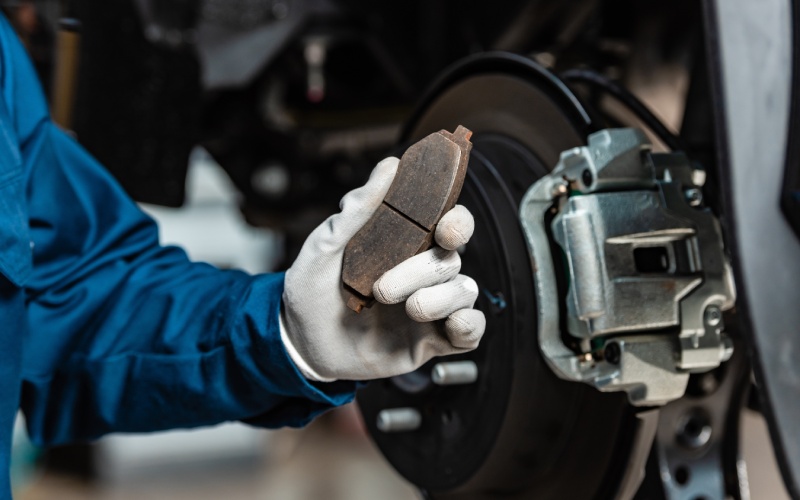
Port Orchard Ford – OEM Ford Brake Pads, Rotors, and Hardware Guide in Bremerton, WA
Brakes do not just stop your vehicle—they protect your family and your investment every time you crest the Warren Avenue Bridge, crawl through ferry queues, or descend steep Bremerton side streets. If your Ford is due for brake work, choosing the right pads, rotors, and hardware matters just as much as who installs them. This guide explains how to pick OEM-fit components, what to discuss at the parts counter, and how local driving around SR-3, Wheaton Way, and Kitsap hills should shape your decisions.
Start with how and where you drive
Stop-and-go commutes, steep grades, and wet roads accelerate brake wear and amplify noise if pad compounds and shims are mismatched. Around Bremerton, daily hills and low-speed ferry lines build heat but do not cool rotors evenly, while damp mornings can highlight minor surface rust with a first-stop squeal. That is normal—but recurring noise, pulsation, or increased stopping distances call for inspection and fresh parts matched to your route and vehicle load.
OEM pads are tuned to your Ford’s caliper pressures, rotor metallurgy, and ABS/ESC calibration, which helps maintain consistent pedal feel in rain and predictable stops with a trailer or a full cabin. If you split time between Bremerton errands and weekend trails or boat ramps near Poulsbo, WA, stick with OEM-equivalent friction and rotors so front-rear balance remains true under mixed loads.
What to tell the parts counter
- VIN and trim: Confirms exact caliper type, rotor size, and sensor needs for your build.
- Wheel size and package: Certain tow or off-road packages use larger rotors or specific pad shapes.
- Driving profile: Hills, towing, or frequent stop-and-go can guide pad compound and rotor selection.
- Current symptoms: Pulsation, grooves, or uneven wear help determine if rotors need replacement.
- Service timing: If you are booking Mobile Service or Pickup & Delivery, we will prep the full hardware kit.
Arriving with the basics—VIN, wheel size, tow or off-road package—saves time and ensures correct-fit pads, rotors, and wear sensors. Share whether the vehicle tows, hauls, or sees hilly routes, and we will match friction that balances bite, noise, and dust to your daily reality.
Pads, rotors, and hardware—why each piece matters
Pad compound is the heart of brake feel and fade resistance. OEM or Motorcraft pads are formulated to meet your Ford’s performance and noise targets, with shims and slotting designed for your caliper. Rotors matter too: correct thickness, vane design, and metallurgy help manage heat on long SR-3 descents and stabilize ABS performance under emergency stops. Finally, hardware—abuttment clips, anti-rattle shims, and guide pin boots—keeps pads moving freely and prevents noise. Reusing worn clips or dry guide pins is a leading cause of post-service squeal and tapered pad wear.
Replace rotors if they are below spec, show deep grooves, or create steering wheel pulsation under moderate braking. Turning rotors is less common on modern vehicles; micro-cracks and reduced thickness can invite noise and heat issues. A fresh rotor paired with the correct pad compound delivers the quiet, consistent stops most drivers want.
ABS sensors, wear indicators, and fluid—do not overlook the extras
On select models, integrated pad wear indicators or wheel speed sensors may be part of the service. If your dash has thrown intermittent ABS lights or you see harness damage, address it while the brakes are apart. Brake fluid absorbs moisture over time, lowering boiling resistance—especially relevant with peninsula hills and periodic towing. A fluid exchange during pad and rotor service helps maintain pedal feel when you need it most.
Torque matters: wheels and calipers should be tightened to Ford specifications. Over-torqueing lugs can distort rotors and invite pulsation, while under-torqueing caliper bolts risks uneven pad contact. Professional installation ensures torque specs, lubrication points, and bedding procedures are followed correctly.
Noise after new brakes—what is normal and what is not
Light squeal for the first few stops after rain or an overnight sit is common. So is a faint odor during the first 50 to 100 miles as pads bed to rotors. However, persistent grinding, a strong metallic chirp, or a steering vibration under braking points to issues like debris under a pad, dry hardware, or a rotor irregularity. If you bedded the pads as instructed and still notice symptoms, schedule a quick check.
Drivers who split time between Bremerton and errands near Poulsbo, WA often see a cycle of short, low-speed stops mixed with brief higher-speed runs—ideal conditions to bed-in gently but also to highlight minor noises if hardware is worn or lubrication was missed. Correct hardware and proper caliper service usually quiet things down.
Parts quality, warranty, and installation options
Genuine Ford and Motorcraft brake components are validated to your vehicle’s ABS and stability-control tuning and carry Ford Parts Warranty coverage for two years with unlimited mileage, including limited labor when installed by a Ford dealer. That means peace of mind after the job and fewer returns chasing noise or fitment problems. If you prefer service on your schedule, ask about Pickup & Delivery eligibility or whether Mobile Service can complete pad and rotor installation at your home or workplace.
When booking installation, request a full hardware refresh and guide pin service. Consistent lubrication at factory-specified points, clean pad slides, and correct caliper piston reset (especially on electric parking brake systems) separate a quiet, confident result from a redo.
Frequently Asked Questions:
Why do my brakes squeal only in the morning?
Overnight moisture can create light surface rust, and some pad compounds make a brief squeal on first application. If the noise persists or grows louder, it is time for inspection.
Can I mix different pad brands front to rear?
We recommend matching OEM-equivalent friction on both axles so ABS and stability control respond predictably and pedal feel remains consistent.
Do I really need new hardware with new pads?
Yes. Fresh abutment clips, shims, and lubricated guide pins help prevent noise, tapered wear, and sticking—especially after a Bremerton winter.
Can Mobile Service replace pads and rotors at my home?
Often, yes—availability depends on model, scope, and workspace. Ask our team, and we will outline on-site options or book an in-bay visit if needed.
If your Ford’s braking feels different, vibrates under moderate stops, or triggers confidence questions on Bremerton hills, it is time to talk pads, rotors, and hardware that suit your daily route. Our team will confirm the correct parts by VIN, set expectations for bedding and noise, and schedule installation to fit your day. When you want OEM fitment, a factory-backed warranty, and a straightforward path to quiet, confident stopping, you can count on Port Orchard Ford to help you get it right the first time.

0 comment(s) so far on OEM Ford Brake Pads, Rotors, and Hardware Guide in Bremerton, WA