

Why Tire Rotation and Alignment Matter for Port Orchard, WA Drivers
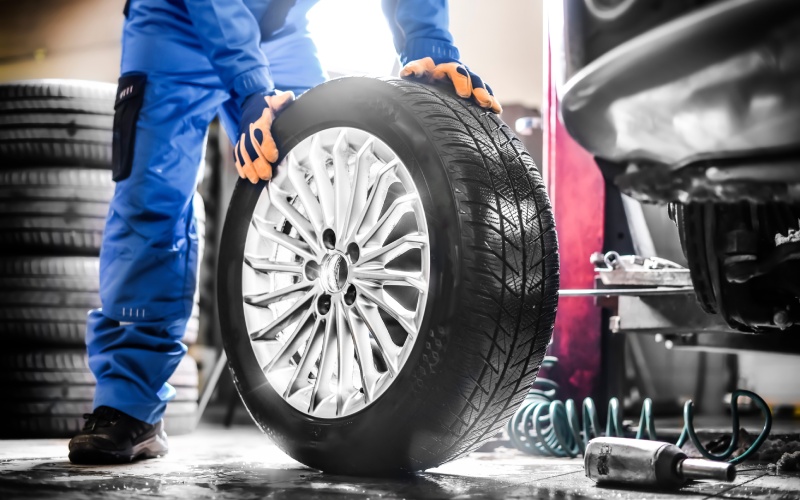
Port Orchard Ford – Why Tire Rotation and Alignment Matter for Port Orchard, WA Drivers
Drivers in Port Orchard, WA depend on tires for much more than getting from point A to point B. Tires affect steering response, braking feel, ride comfort, fuel efficiency, and how confidently a vehicle handles daily roads around South Kitsap. A short drive along Bay Street, a commute toward Bremerton, a run to local schools, or a weekend trip through Kitsap County can all place different demands on your tires. Over time, those demands show up as tread wear, vibration, pulling, road noise, and reduced ride quality.
At Port Orchard Ford, we often talk with customers who wonder whether tire rotation, wheel balancing, or alignment service is the right answer. The confusion is understandable because these services are related, but not identical. Tire rotation changes tire position on the vehicle to promote even wear. Wheel balancing corrects weight distribution in each tire and wheel assembly. Alignment service adjusts wheel angles so the tires meet the road correctly. Each one supports tire life, but each solves a different problem.
What Tire Rotation Does
Tire rotation is a preventive maintenance service that moves tires from one position to another. Front tires often experience more steering and braking stress, while rear tires may wear differently depending on drivetrain layout, vehicle weight, cargo, and towing habits. Rotating tires helps spread that wear more evenly across the set. For many vehicles, rotation is commonly recommended every 5,000 to 8,000 miles, though the correct interval can vary by tire type, driving habits, and the guidance in your Owner’s Manual.
For Port Orchard drivers, rotation is especially useful because local driving can mix quick errands, hills, curves, parking maneuvers, and highway speeds. A truck used for home projects may wear tires differently from an SUV used for family commuting. A compact vehicle used mostly for short trips may show a separate pattern. Rotation helps our technicians track these changes over time, which makes it easier to spot early signs of alignment trouble, underinflation, overinflation, worn suspension parts, or brake-related wear.
When Wheel Balancing Becomes Important
Wheel balancing is different from rotation. A tire and wheel assembly must spin evenly at speed. If one area is heavier than another, the vehicle may vibrate. Some drivers feel that vibration through the steering wheel. Others feel it through the seat or floorboard. It may be mild at neighborhood speeds and more noticeable on open roads. Balancing helps restore smoother rotation by correcting weight distribution on the wheel assembly.
Balancing may be needed after tire installation, tire repair, uneven wear, or a hard road impact. It can also become necessary as tires age because tread wears away gradually and not always perfectly evenly. Ignoring vibration can make driving less comfortable and may contribute to extra wear on tires and suspension components. If your Ford feels smooth at low speed but shakes as speed increases, balancing should be part of the inspection conversation.
How Alignment Affects Tire Life and Control
Alignment service focuses on the angles of the wheels, commonly including camber, caster, and toe. These angles help determine how the tire contacts the road. If the angles are outside specification, your vehicle may pull left or right, the steering wheel may sit off-center, or tires may wear quickly along one edge. In some cases, alignment issues develop gradually. In other cases, a pothole, curb contact, or rough road impact can create an immediate change.
Not every vehicle requires the same alignment approach. Some vehicles need a two-wheel alignment, while others require a four-wheel alignment. AWD and 4WD vehicles often need all four wheels checked because all four wheel positions can affect handling and tire wear. Our Ford-trained technicians use proper equipment to measure alignment angles and determine whether adjustment is needed. This is especially important for Ford trucks and SUVs, where suspension geometry, load, towing use, and tire size can all influence how the vehicle behaves.
Signs Your Tires Need Attention
- Uneven tread wear: One edge, one tire, or one axle appears to be wearing faster than the rest.
- Steering pull: Your vehicle drifts left or right when driving on a level road.
- Vibration at speed: The steering wheel, seat, or cabin shakes more as speed increases.
- Off-center steering wheel: The vehicle travels straight, but the steering wheel is not centered.
- Road noise changes: Tires sound louder, rougher, or more uneven than before.
- Frequent pressure alerts: Tire pressure concerns repeat even after inflation is corrected.
These symptoms do not always point to a single cause. For example, vibration may involve balance, tire wear, wheel damage, or suspension parts. Pulling may involve alignment, tire pressure, brake drag, or road crown. That is why a professional inspection is valuable. During a service visit, our team can look at tread depth, pressure, wear pattern, sidewall condition, wheel balance, alignment readings, and related brake or suspension components before recommending next steps.
Why Dealership Tire Service Helps Ford Owners
Ford vehicles use advanced systems that work best when tires, wheels, brakes, suspension, and electronic monitoring systems are serviced correctly. At Port Orchard Ford, our technicians are factory-trained, and our service department uses genuine OEM parts when replacement parts are needed. We also support a wide selection of tire brands for cars, trucks, and SUVs, along with tire rotation, tire pressure checks, brake inspections, battery testing, fluid top-offs, filters, belts, hoses, and multi-point inspections through routine maintenance visits.
Our customer amenities are built to make maintenance easier. Drivers can schedule service online, wait in a comfortable lounge with free Wi-Fi, enjoy complimentary coffee and beverages, use vending options, and ask about transportation support if a visit requires more time. We also have Saturday service hours, which can help customers who balance work, school, ferry schedules, errands, and family commitments during the week.
Frequently Asked Questions:
How often should I rotate my tires?
Many tire rotations are performed every 5,000 to 8,000 miles, but your best interval depends on your vehicle, tire type, and driving habits. Your Owner’s Manual and tire manufacturer guidance are the right places to start.
Can I rotate tires without balancing them?
Yes, rotation and balancing are separate services. If your vehicle does not vibrate and the tires are wearing normally, balancing may not be needed every time. If vibration is present, ask for a balance check.
Will an alignment fix uneven tire wear?
Alignment can help stop alignment-related wear from getting worse, but it cannot restore tread that is already worn away. Early inspection gives you the best chance to protect the remaining tire life.
Should I get an alignment after buying new tires?
An alignment check is a smart idea when installing new tires, especially if the old tires showed uneven wear. Correct alignment helps protect your investment in the new set.
Keeping up with tire rotation, balancing, and alignment checks is one of the simplest ways to help your Ford feel stable, smooth, and ready for local roads. If your tires are wearing unevenly, your steering feels off, or you simply want to stay ahead of maintenance, schedule a visit with our service team at Port Orchard Ford. We are ready to help Port Orchard, WA drivers get more confidence from every mile.

0 comment(s) so far on Why Tire Rotation and Alignment Matter for Port Orchard, WA Drivers